
The Impact of Math Manipulatives on Early Learning
Tuition Near Me Singapore
Math is a vital skill for young children to develop, as it forms the foundation for their future academic success. However, learning math can be challenging for some children, leading to frustration and disengagement. One effective way to support early math learning is by using math manipulatives, which are objects or tools that children can touch and move to represent mathematical concepts.
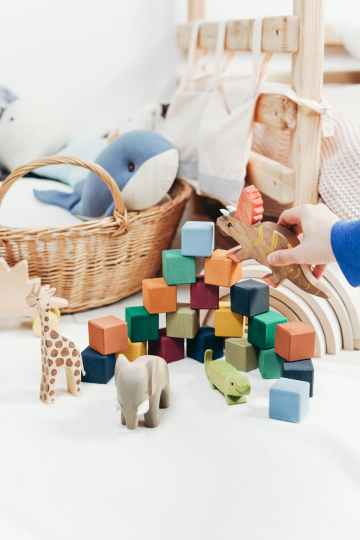
When children use math manipulatives, they can engage in hands-on learning experiences that promote a deeper understanding of mathematical concepts. Manipulatives help children visualize and internalize abstract math ideas, making them more concrete and accessible. This approach is particularly beneficial for young learners who are still developing their cognitive abilities and benefit from sensory experiences.
Furthermore, math manipulatives allow children to explore mathematical concepts through play, fostering a positive attitude towards math. By interacting with physical objects, children can develop spatial awareness, measurement skills, and an understanding of basic mathematical operations. This hands-on approach helps to build a strong conceptual foundation that will support children as they progress to more advanced math skills.
In addition to supporting mathematical understanding, math manipulatives can also promote critical thinking, problem-solving, and collaborative skills. Children can use manipulatives to experiment with different solutions, make connections between math concepts, and communicate their reasoning with peers. These experiences contribute to the development of important skills that extend beyond the realm of mathematics.
In conclusion, math manipulatives are a valuable tool for promoting early math learning. By providing children with hands-on experiences that make math concepts tangible, manipulatives help foster a deeper understanding of mathematics and support the development of essential skills. Integrating math manipulatives into early learning environments can create a strong foundation for future academic success and a lifelong appreciation for mathematics.
Math is a vital skill for young children to develop, as it forms the foundation for their future academic success. However, learning math can be challenging for some children, leading to frustration and disengagement. One effective way to support early math learning is by using math manipulatives, which are objects or tools that children can touch and move to represent mathematical concepts.
When children use math manipulatives, they can engage in hands-on learning experiences that promote a deeper understanding of mathematical concepts. Manipulatives help children visualize and internalize abstract math ideas, making them more concrete and accessible. This approach is particularly beneficial for young learners who are still developing their cognitive abilities and benefit from sensory experiences.
Math manipulatives allow children to explore mathematical concepts through play, fostering a positive attitude towards math. By interacting with physical objects, children can develop spatial awareness, measurement skills, and an understanding of basic mathematical operations. This hands-on approach helps to build a strong conceptual foundation that will support children as they progress to more advanced math skills.
In addition to supporting mathematical understanding, math manipulatives can also promote critical thinking, problem-solving, and collaborative skills. Children can use manipulatives to experiment with different solutions, make connections between math concepts, and communicate their reasoning with peers. These experiences contribute to the development of important skills that extend beyond the realm of mathematics.
Math manipulatives are a valuable tool for promoting early math learning. By providing children with hands-on experiences that make math concepts tangible, manipulatives help foster a deeper understanding of mathematics and support the development of essential skills. Integrating math manipulatives into early learning environments can create a strong foundation for future academic success and a lifelong appreciation for mathematics.